
Key Takeaways
- Comprehending drainage remedies for outdoor spaces
- Varieties of outdoor water management techniques
- Assessing issues related to drainage in your garden
- Executing a plan for outdoor water flow
- Investigating options for garden water management
- Setting up a system for outdoor water disposal
Understanding Yard Drainage Solutions
Effective yard drainage solutions are essential for maintaining a healthy landscape and preventing water accumulation in your yard. A well-designed drainage system helps direct excess water away from your home and garden, reducing the risk of flooding and soil erosion. Common methods include the installation of storm drains, ditches, or rain gardens to manage runoff and improve water absorption in compacted soil. Proper yard drainage not only protects the integrity of driveways and landscaping but also ensures that plants thrive by promoting adequate soil moisture levels. Understanding the various yard drainage solutions available will empower homeowners to create a more resilient and functional outdoor space.
Importance of Effective Yard Drainage
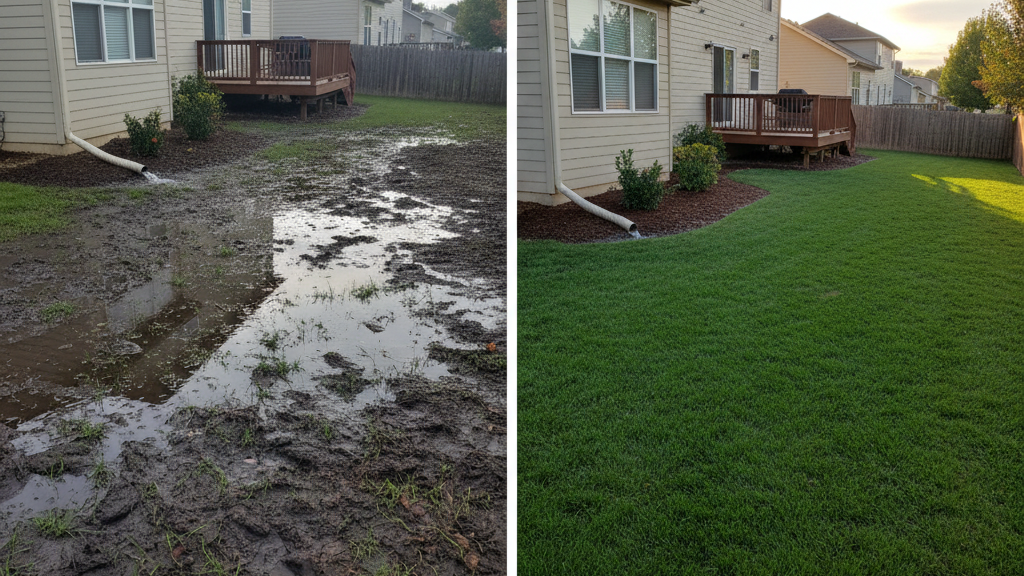
Effective yard drainage solutions are essential for maintaining a healthy landscape and preventing damage from excessive water accumulation. Standing water in the form of puddles can quickly lead to erosion, negatively affecting your lawn and ground cover. Without proper drainage, water runoff can collect near driveways and other hard surfaces, increasing the risk of flooding. This can create an unsightly and unsafe environment, hindering lawn care efforts and contributing to long-term property damage.
Proper management of rainwater collection through effective yard drainage solutions helps divert surface water away from critical areas. A well-planned drainage system minimizes the need for frequent digging and shoveling to remove excess water, ultimately saving time and reducing maintenance costs. By addressing potential drainage issues, homeowners can improve the health of their lawns and protect their investment while enjoying a beautiful, functional outdoor space.
Common Yard Drainage Problems
Yards often experience various drainage issues that can lead to significant problems over time. One common issue is poor runoff management, which can turn a yard into a soggy area after a rainstorm. This excessive water accumulation can overwhelm existing yard drainage solutions, causing water to seep into basements or create a marsh-like condition. Without proper channels to redirect rainwater, problems can escalate, leading to the formation of muddy patches and water pooling around asphalt surfaces. Installing solutions such as a french drain or channel drain can effectively manage these drainage issues.
Another prevalent problem is the improper design of drainage paths, which can result in water flowing towards unwanted areas like the creek bed or foundation of a home. Mulch and soil can shift, obstructing pipes and limiting their ability to carry water away. Left unaddressed, these drainage challenges contribute to flooding and erosion, damaging landscaping and potentially leading to costly repairs. Implementing effective yard drainage solutions not only prevents standing water but also maintains the integrity of both the landscape and structure.
| Drainage Problem | Causes | Potential Solutions |
|---|---|---|
| Poor Runoff Management | Excessive rain, lack of proper grading | Install French drains, improve landscape grading |
| Water Pooling | Blocked drainage paths, compacted soil | Clear obstructions, aerate soil |
| Improper Drainage Design | Unplanned drainage patterns, shifting soil | Redesign drainage paths, use downspout extensions |
| Muddy Patches | Excess moisture, poor soil drainage | Add gravel, install surface drains |
| Erosion | Water flow direction, unprotected soil | Create retaining walls, use mulch for stabilization |
Types of Yard Drainage Solutions
Effective yard drainage solutions are essential for managing stormwater and preventing water accumulation that may damage your landscaping. Incorporating materials like concrete and gravel in your drainage system can enhance functionality, particularly in areas with clay soil. Installing catch basins or rain barrels allows for efficient collection and diversion of rainwater, while integrating components like PVC pipes can effectively channel water away from patios and walkways. Pea gravel serves as an excellent base for drainage systems, facilitating water flow toward designated areas, such as rivers or garden beds, ensuring your yard remains healthy and visually appealing.
Surface Drainage Methods
Effective yard drainage solutions are essential for preventing stagnant water from accumulating in your yard. Surface drainage methods focus on directing runoff away from areas prone to pooling, addressing common yard drainage issues. One common approach involves creating a trench that guides water toward a designated drainage area. This method not only ensures proper yard drainage but also enhances the overall aesthetics of the landscape.
Another approach to surface drainage involves the use of swales and grading to manage water flow. By shaping the land, you can facilitate effective yard drainage while minimizing erosion. Implementing these yard drainage methods provides a proactive solution to potential yard drainage problems. A well-planned yard drainage project can lead to good yard drainage, creating a healthier environment for your lawn and garden.
Subsurface Drainage Techniques
Subsurface drainage techniques are essential for addressing persistent lawn drainage problems that surface solutions may not resolve. These methods involve installing yard drains below the surface to redirect water away from areas where it tends to accumulate. By creating an effective yard drainage path, homeowners can significantly improve soil-drainage and enhance the health of their lawns. With various affordable yard drainage options available, these systems can be tailored to different yard layouts, ensuring that excess water is efficiently managed.
Implementing subsurface drainage systems often involves the use of perforated pipes, gravel, and other materials designed to facilitate water flow. This drainage solution works by capturing excess moisture before it saturates the soil, preventing waterlogged conditions that can lead to lawn drainage issues. Choosing the right drainage methods is crucial for the long-term efficacy of your yard drainage solutions, making it important to assess the specific needs of your yard. Properly installed yard drains can provide a lasting solution to drainage challenges, ultimately contributing to a healthier, more vibrant landscape.
| Drainage Technique | Description | Best Use Cases |
|---|---|---|
| French Drain | A trench filled with gravel and a perforated pipe that redirects surface water. | High water accumulation areas, foundation drainage, and yard runoff management. |
| Trench Drain | A long, narrow channel that collects water and directs it to an appropriate location. | Driveways, patios, and any areas where water collects quickly. |
| Dry Well | A cylindrical structure that collects excess water and allows it to percolate into the ground. | Areas with limited soil absorption and in need of additional drainage capacity. |
| Perforated Pipe System | A network of perforated pipes laid underground to disperse water away from wet areas. | General lawn drainage, gardens, and fields with heavy rainfall. |
Evaluating Drainage Problems in Your Yard
Identifying the signs of poor drainage in your yard is essential for preventing further drainage problems. Common indicators include pooling water, soggy areas, and plants that show signs of stress due to inadequate soil-drainage capability. A well-designed drainage system should facilitate good drainage and direct water away from critical areas. Evaluating the drainage path can help pinpoint water-drainage problems. Implementing effective yard drainage solutions often begins with recognizing these issues. Choosing the ideal drainage material contributes greatly to the long-term effectiveness of any DIY drainage method, ensuring that your yard remains functional and aesthetically pleasing.
Signs of Poor Yard Drainage
Pooling water in certain areas of your yard indicates bad drainage and the need for effective yard drainage solutions. If you notice persistent puddles in the side yard after rainfall, this could signal issues with the underground drainage systems. Lawn areas may become soggy as a result, leading to damaged grass and unhealthy soil. Property owners should be aware that these issues can worsen over time and may require the expertise of professional drainage contractors who can assess the situation and recommend appropriate fixes.
The presence of grass-covered ditches or improperly placed gravel drain lines can also point to poor yard drainage. Narrow drains might clog easily, causing water to back up and accumulate. An invisible drainage trench could provide a solution for some yards lacking adequate drainage. Observing the water flow in your yard will help in identifying problem areas that need attention. Investing in quality drainage materials and implementing effective yard drainage solutions can prevent further complications from arising.
- Poorly drained areas can lead to pest infestations, attracting mosquitoes and other insects.
- Waterlogged soil can suffocate roots, making it difficult for plants to thrive.
- Foundation damage may occur due to excessive moisture around the home.
- Landscape erosion may happen, resulting in the loss of soil and plants.
- Persistent drainage issues can create a breeding ground for mold and mildew.
- Limited plant growth options, as some plants may not tolerate wet conditions.
- Regular maintenance and monitoring of drainage systems can help mitigate future problems.
Identifying Drainage Paths and Flows
Understanding how water flows through your backyard is essential for effective yard drainage solutions. Observe the wet areas after rainfall to identify where water tends to accumulate. Look for flooded areas that can indicate compacted soil underneath, which hampers proper drainage. Evaluating where these problems arise can help in planning an effective drain system. Consider how the current ground cover interacts with water runoff, as this can influence where a drain line might need to be installed.
Identifying key drainage paths allows you to address common water problems efficiently. Features like bathtub drains and rain gardens needs can serve as natural solutions that manage excess water. Implementing a runoff system that directs water away from vulnerable areas will minimize damage and improve the overall health of your landscape. Careful observation of your yard can lead to the appropriate yard drainage solutions tailored to your specific conditions.
Implementing a Yard Drainage Path
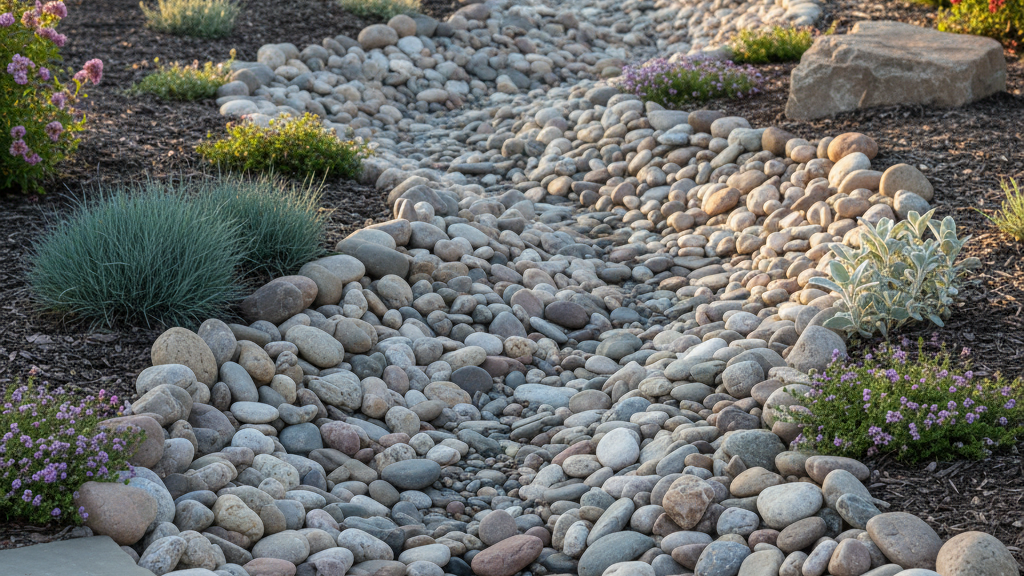
Creating an effective yard drainage path involves careful planning and execution to ensure that water is directed away from your home and grounds. For those engaging in a recent backyard makeover, incorporating yard drainage solutions like a dry creek or rain garden can enhance both functionality and aesthetics. A large lawn may require a shallow trench lined with coarse-grained soil to facilitate sufficient water runoff, reducing the risk of basement leaks. By consulting various lawn care sources, homeowners can identify the best drainage techniques tailored to their specific landscape needs, ultimately safeguarding their basement area from unwanted water accumulation.
- Assess the current drainage issues in your yard before implementation.
- Determine the most suitable drainage solution based on your landscape type.
- Utilize materials such as gravel or river stones for effective water flow.
- Consider installing a rain barrel to collect and reuse runoff water.
- Regularly maintain and clean the drainage paths to prevent blockages.
- Consult with landscaping professionals for expert advice and installation.
- Always check local regulations regarding water drainage and landscaping.
Planning the Yard Drainage Path
Creating an effective plan for your yard drainage solutions requires a keen understanding of your landscape’s unique features. Consider the natural flow of rainwater in your yards during rainy periods. Identify areas where heavy runoff typically collects, and map out a path for directing this water. A narrow trench cut leading to a dry creek bed can act as a natural channel, guiding excess water away from gardens and lawn areas. Using a landscape rake can help to contour the soil effectively, ensuring that the path leads downhill, reducing the risk of pooling and erosion.
Evaluating the existing conditions can reveal issues like a poor lawn slope that contributes to drainage problems. Taking the time to observe water movement during a rain can provide insights on necessary adjustments. This includes planning for features such as a mini river that mimics natural waterways, enhancing both function and aesthetic appeal. Properly executing these elements within your yard drainage solutions can significantly improve the overall health of your landscape while preventing future drainage issues.
Materials Needed for Yard Drainage
Choosing the right materials is crucial for effective yard drainage solutions. Begin with appropriate pipes designed to handle rain water efficiently. Opt for perforated pipes that allow for sufficient water flow, especially in areas with heavy clay soil or dense clay soil. Using asphalt slabs can help redirect water away from problem zones, while also providing a sturdy surface for future gardening projects. It’s essential to consider underground utilities when planning your drainage system, ensuring that your installation does not compromise existing infrastructure.
A comprehensive yard drainage solution requires various materials, including gravel and landscape fabric. Gravel serves as a filtration medium, preventing soil from clogging the pipes while allowing water to flow freely. Landscape fabric is vital for separating the gravel from the soil, maintaining soil credit and promoting healthy drainage. For homeowners looking to install a French drain, gathering all necessary components beforehand will streamline the process and enhance the overall effectiveness of the drainage solution. The right combination of materials will ensure longevity and efficiency in managing excess water.
Exploring Lawn Drainage Options
Effective lawn drainage options are crucial for maintaining the health and aesthetics of your yard. A variety of yard drainage solutions can address common issues, including the installation of a long channel drain or the creation of a dry river bed to redirect water flow. Utilizing buried PVC pipes helps manage excess water, while a well-placed drain emitter can efficiently disperse moisture in high areas. Regular maintenance such as cleaning gutters and using a gutter rake ensures proper drainage functionality. Choosing the right solution not only enhances garden usage but also contributes to lawn credit by preventing water accumulation and utility disruptions.
Assessing Common Lawn Drainage Issues
Effective assessment of lawn drainage issues requires identifying areas where excess water tends to collect. Certain areas, particularly those with clay-like soil, often struggle to drain properly. Implementing yard drainage solutions such as a plastic catch basin can help manage excess water. In more challenging situations, incorporating crushed gravel to direct water flow can enhance drainage performance, especially in wooded areas where soil saturation may occur.
Determining the right approach to address drainage problems involves evaluating various areas of the yard. Affordable DIY garden solutions, like installing a decorative gravel edge, can improve both aesthetics and functionality. For regions that experience significant pooling, a large basin can help collect and redirect water, promoting healthier grass and plant growth. By using various yard drainage solutions, homeowners can effectively mitigate issues related to poor drainage and create a more vibrant landscape.
Choosing the Right Lawn Drainage Solution
Selecting the right lawn drainage solution requires careful consideration of specific needs and environmental conditions. Common solutions, such as trench lines and water channels, effectively divert excess water during consecutive rainy days or heavy summer rainstorms. It’s crucial to prevent water from pooling around foundations, as this can lead to potential leaking into basements and crawl spaces. Homeowners should prioritize options that allow for easy maintenance while addressing the unique challenges posed by their landscape.
Implementing a dry well installation can be particularly effective in areas prone to flooding after showers. This option collects and disperses water efficiently, reducing the likelihood of soil saturation and further drainage issues. Additionally, ensuring to slope the ground away from your house is essential in directing water away from critical areas, including utility lines. Each yard drainage solution should be tailored to specific lawn conditions to achieve optimal results and long-term effectiveness.
Installing a Yard Drain
Effective yard drainage solutions are essential for managing spring showers and preventing standing water from accumulating around your home. During the installation process, careful excavation is necessary to create a path that will direct water away from the foundation and siding of your house. Properly positioning drains can help manage downspout runoff, ensuring it flows smoothly to designated areas. Moreover, consideration should be given to the landscape layout, including any hidden pipes that may affect drainage flow. By calculating the appropriate square footage for the drainage area, homeowners can implement practical yard drainage solutions that enhance the overall functionality of their outdoor spaces.
Conclusion
Effective yard drainage solutions are essential for maintaining a healthy landscape, especially in areas prone to heavy rain and dense clay soil. Installing a French drain can significantly improve water management by directing rainwater away from asphalt slabs and preventing pooling. Recognizing the challenges posed by heavy clay soil allows homeowners to select appropriate drainage solutions that ensure sufficient water flow without disrupting underground utilities. A well-planned drainage system not only mitigates water issues but also enhances gardening opportunities by improving soil credit and overall yard health. With the right approach and materials, addressing common drainage problems becomes manageable, paving the way for a thriving outdoor space.
FAQS
What are some effective yard drainage solutions to address a yard-drainage issue and ensure the right yard drainage for my property?
To effectively tackle a yard-drainage issue, you can consider various yard drainage solutions that include implementing a rain garden to manage excess water or using appropriate drainage materials credit. It’s important to assess your lawn isn, the specific needs of your rain garden, and how it fits into different area drainage plans. Additionally, exploring yard drain credit programs can help offset costs for necessary improvements, ultimately enhancing your state drainage systems and contributing to your spruce home improvement projects.
How can I incorporate a rain garden into my yard drainage solutions for the right yard drainage and possibly qualify for a yard drainage credit?
To successfully incorporate a rain garden into your yard drainage solutions, you’ll want to assess the rain garden needs for your landscape. Ensuring the right yard drainage can help manage water runoff effectively. Additionally, check if you qualify for a yard drainage credit by consulting your local regulations, as many municipalities offer incentives for implementing environmentally friendly drainage solutions like rain gardens.
What are the potential benefits of adding a rain garden to my yard drainage solutions, and can I qualify for a rain garden credit?
Adding a rain garden to your yard drainage solutions can effectively manage stormwater runoff, enhance your landscape, and promote local biodiversity. Additionally, by implementing a rain garden, you may qualify for a rain garden credit, which can provide financial incentives or tax reductions for homeowners who invest in green drainage solutions.
What steps can I take to assess the effectiveness of my current yard drainage solutions and improve the overall yard drainage on my property?
To assess the effectiveness of your current yard drainage solutions, start by observing water pooling issues after rainfall. You can enhance the overall yard drainage by adding features like French drains, improving soil quality, or even considering permeable paving. Regular maintenance and adjustments will ensure that your yard drainage remains efficient and effective.
What type of plants are best suited for a rain garden to enhance yard drainage solutions on my property?
Choosing the right plants for your rain garden can significantly enhance your yard drainage solutions. Native plants, such as ferns, sedges, and various flowering perennials, are often best suited because they are adapted to local climate and soil conditions. These plants help absorb excess water, promote infiltration, and improve yard drainage overall, ensuring that your yard remains healthy and well-drained.